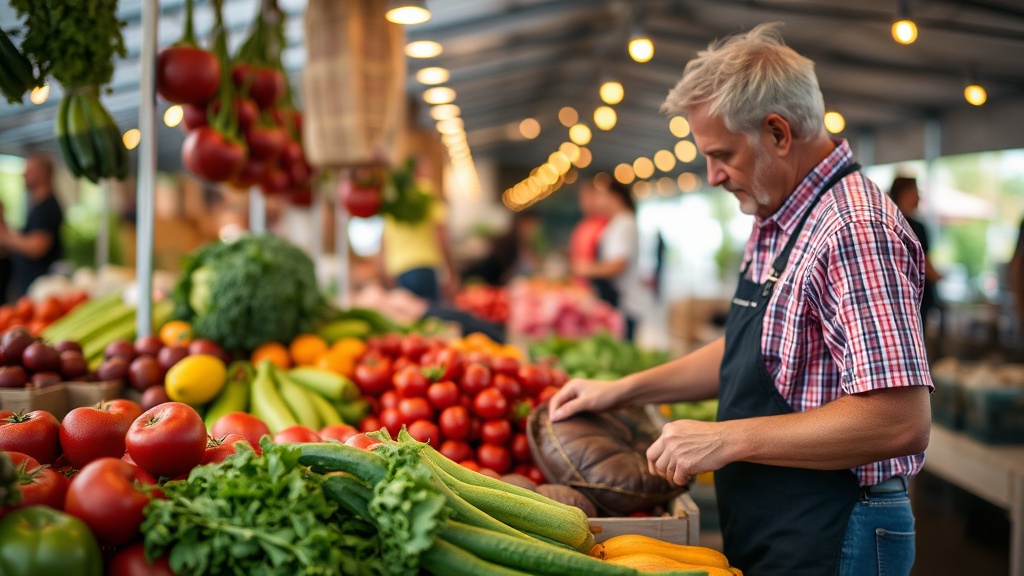
Selecting the Best Local Produce at Gananoque Farmers' Markets

Learn to pick the freshest seasonal goods in town
This guide explains how to identify high-quality seasonal produce, when to visit the local market-style setups in Gananoque, and how to support our local growers effectively. Shopping locally isn't just about buying food; it's about understanding the cycles of the Thousand Islands region and knowing exactly what to look for when you're standing at a vendor's stall.
If you've ever stood in front of a crate of tomatoes at a market stand near the waterfront and wondered why one looks perfect while the other looks a bit bruised, you aren't alone. Local farming in the Gananoque area follows a strict seasonal rhythm. Whether you're grabbing items near the intersection of King Street or at a pop-up near the Gananoque Waterfront Park, there's a specific way to shop for the best quality.
Where do I find the best seasonal produce in Gananoque?
In our neck of the woods, we don't have year-round indoor markets like the big cities, so you have to be strategic. Most of your high-quality-yield shopping happens during the warmer months when the local soil is working overtime. You'll often find the best selection at seasonal community gatherings or through specific local farm-to-table initiatives that serve the Gananoque area.
Keep an eye on the local community calendars. Often, the best way to secure the freshest greens or berries is to head out early in the morning. If you wait until the afternoon, the best stuff—the stuff that hasn't been sitting in the sun—is usually gone. I've seen several people miss out on the good stuff because they showed up right before closing time. Don't be that person. Get there when the stalls are first being set up.
- Early Morning: Best for leafy greens and delicate berries.
- Mid-Day: Good for hardy vegetables like potatoes or onions.
- Late Afternoon: Risky; you might find deals, but the quality often dips.
How can I tell if my vegetables are actually fresh?
Looking at a vegetable is an art form. For example, if you're looking at local cucumbers or zucchini, they should feel heavy for their size and have a firm, snappy texture. If they feel soft or bend easily, they've been sitting out too long. This is particularly true for the produce grown right here in the Thousand Islands region, where the humidity can affect how long items stay crisp.
When it comes to herbs, look for vibrant color. If you're buying basil or parsley from a local vendor, the leaves should be a deep, bright green. Any sign of wilting or yellowing means that herb is nearing the end of its shelf life. A quick tip: if you can, gently squeeze the herbs. They should be firm. If they feel limp, leave them on the table and move to the next stall.
| Produce Type | What to Look For | What to Avoid |
|---|---|---|
| Leafy Greens | Bright color, crisp edges | Yellowing, wilting, slime |
| Root Vegetables | Firm skin, no sprouts | Soft spots, dirt clumps, mushy texture |
| Berries | Deep color, no mold | White fuzz, leaking juice |
| Stone Fruit | Slight give when pressed | Bruises, fermented smell |
Why should I shop at local markets instead of grocery stores?
It's a simple matter of flavor and supporting the local economy. When you buy from a vendor who sources from farms just outside of Gananoque, you're getting food that was likely harvested within the last 24 to 48 hours. A grocery store's supply chain might have seen that produce travel hundreds of kilometers, which kills the flavor. You can taste the difference in the sugar content of a local strawberry versus one shipped from a different climate.
By spending your money at these local-centric spots, you're keeping the money circulating within the community. This helps our local agricultural-based economy stay strong. Plus, you can actually talk to the people growing the food. If you have a question about how to cook a certain type of squash or when the next harvest is, the person behind the table actually knows the answer. It's a much more personal experience than a supermarket aisle.
For more information on local agricultural standards and food safety, you can check out the